
 Image 1 of 4
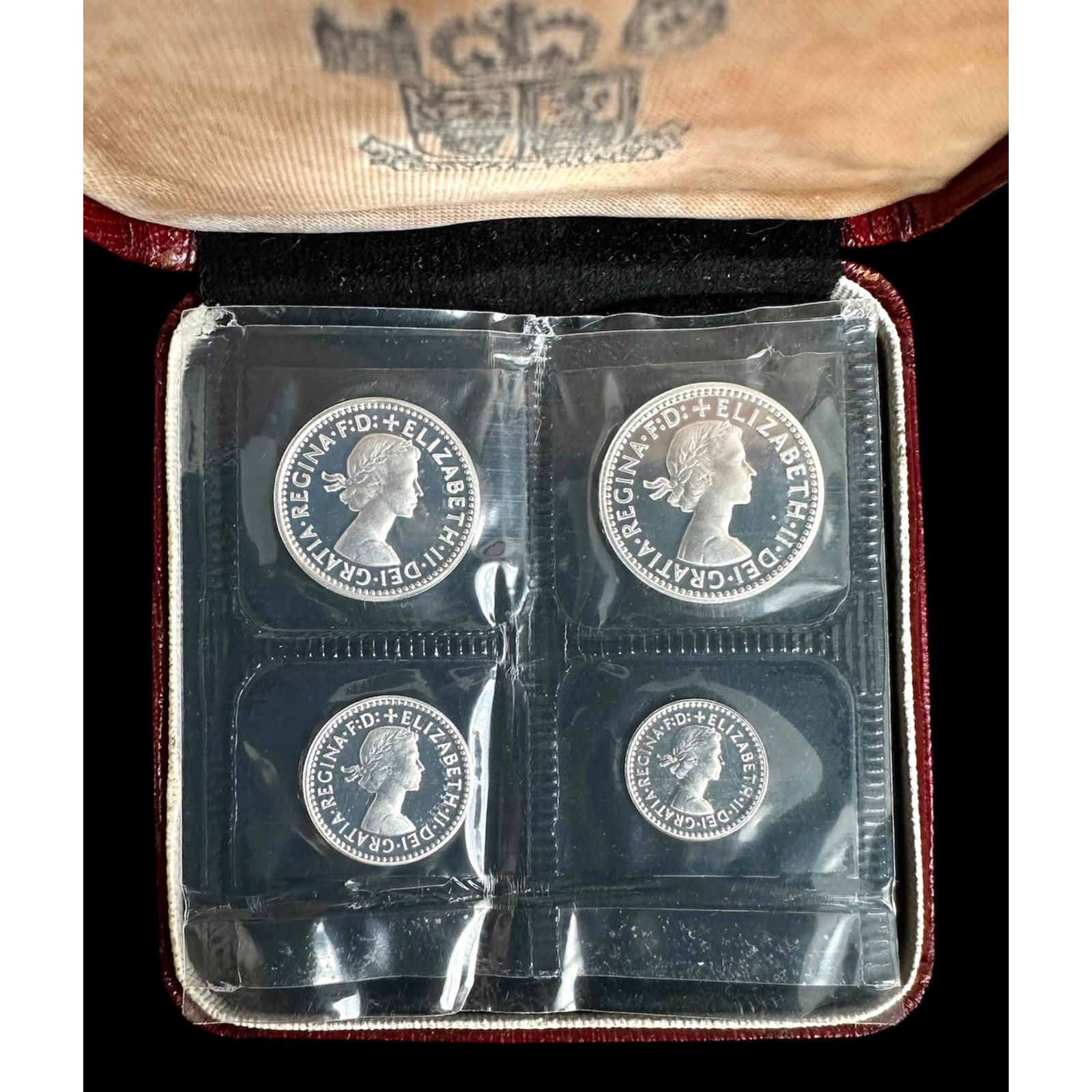 Image 2 of 4
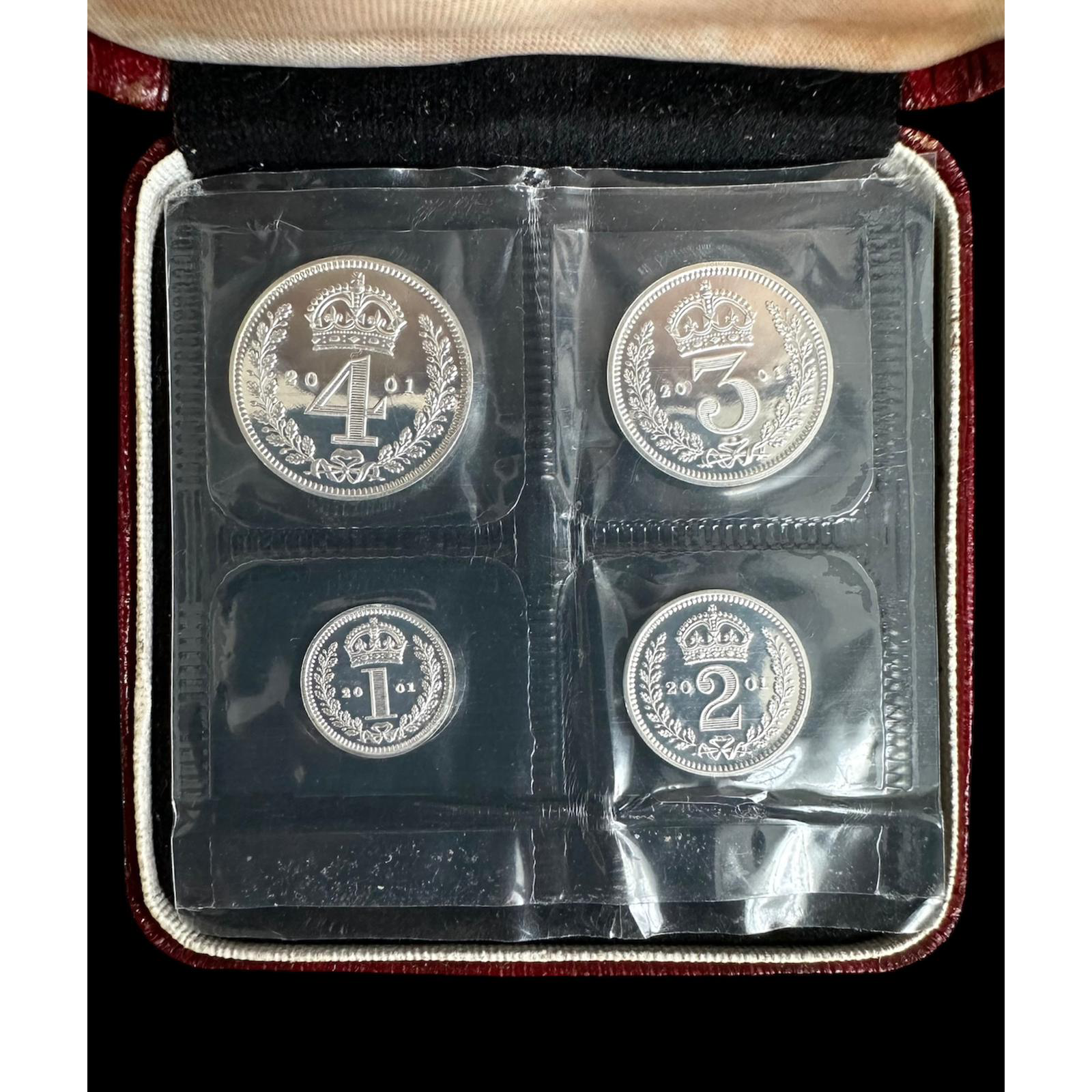 Image 3 of 4
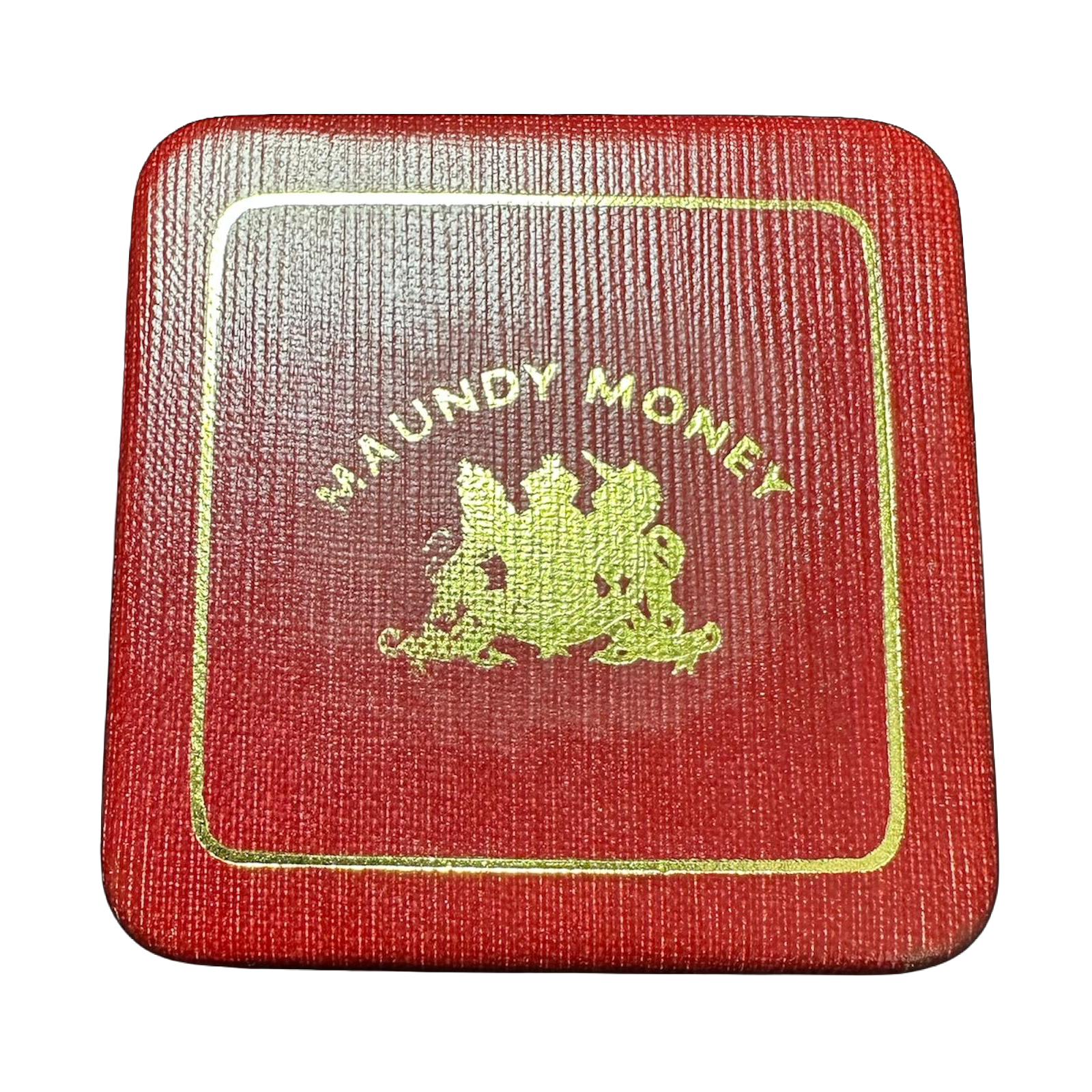 Image 4 of 4
Maundy money refers to coins given to elderly recipients by the monarch in a ceremony inspired by the Biblical account of Jesus Christ washing the feet of His disciples on the day before Good Friday. The first Maundy money ceremony took place during the reign of Charles II, when undated hammered coins were distributed in 1662. These consisted of fourpence, threepence, twopence, and one penny pieces. In 1670, dated sets of all four coins were introduced.
Maundy money has remained largely unchanged since 1670 and has traditionally been struck in sterling silver. Although a Maundy set still consists of four silver coins, the face values were converted from old to new pence in 1971 following decimalisation.
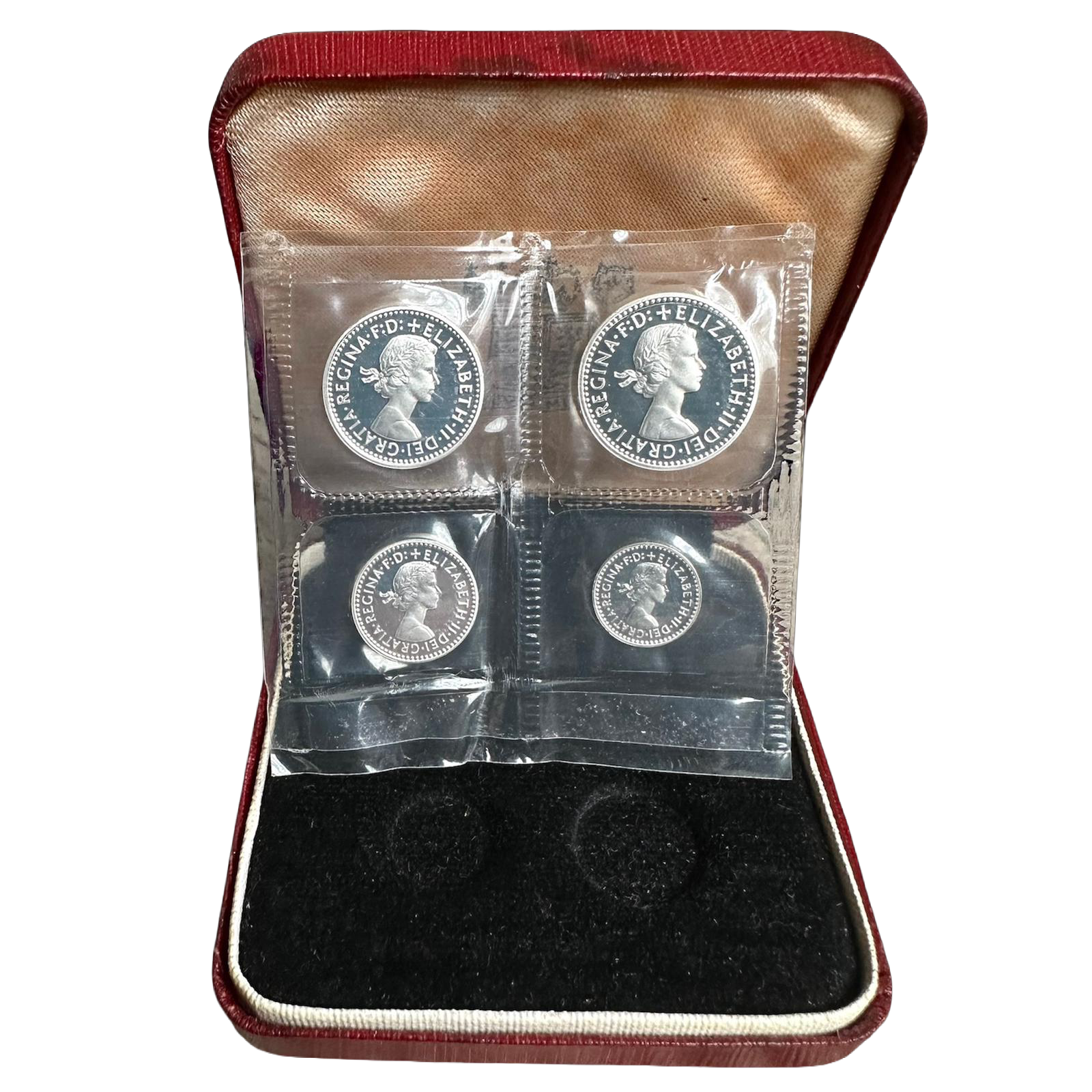
Issued in 2001, these coins feature Mary Gillick’s youthful portrait of Her Majesty the Queen on the obverse. The reverse depicts crowned numerals within a wreath, a design first used during the reign of King William III and Queen Mary II.
Still sealed, boxed, and rare. Exceptional quality. #1
Maundy money refers to coins given to elderly recipients by the monarch in a ceremony inspired by the Biblical account of Jesus Christ washing the feet of His disciples on the day before Good Friday. The first Maundy money ceremony took place during the reign of Charles II, when undated hammered coins were distributed in 1662. These consisted of fourpence, threepence, twopence, and one penny pieces. In 1670, dated sets of all four coins were introduced.
Maundy money has remained largely unchanged since 1670 and has traditionally been struck in sterling silver. Although a Maundy set still consists of four silver coins, the face values were converted from old to new pence in 1971 following decimalisation.
Issued in 2001, these coins feature Mary Gillick’s youthful portrait of Her Majesty the Queen on the obverse. The reverse depicts crowned numerals within a wreath, a design first used during the reign of King William III and Queen Mary II.
Still sealed, boxed, and rare. Exceptional quality. #1